LED Exposure Limits for Grey-Blue Wallpaper and the Cost of Fade Prevention
A homeowner is ready to pay for window film or replace an entire wallpapered wall, but one question remains: has the grey-blue wallpaper permanently faded, or does it only look different under changing light? Establishing the difference first can turn an expensive reaction into a measured choice to monitor, control, or replace.
Key takeaways
- Grey-blue wallpaper that looks different under another lamp has not necessarily faded.
- No universal number of safe LED hours applies because cumulative exposure depends on wall-plane illuminance, duration, spectrum, and the wallcovering itself.
- Test lamp adjustments, dimming, schedules, and properly used shades before more expensive controls.
- Floor mirrors matter only when measurements show that reflected light creates a persistent hotspot.
- Compare prevention and replacement by installed cost, not shelf price alone.
Contents
- Distinguishing fading from a temporary color shift
- Estimating cumulative exposure at the wall
- Checking manufacturer lightfastness documentation
- Selecting practical lighting controls
- Testing reflected exposure from floor mirrors
- Comparing prevention with wallpaper replacement
Can daylight and residential LEDs noticeably fade grey-blue wallpaper?
Sustained daylight or intense artificial light can fade grey-blue wallpaper unevenly, but a visual change alone does not prove permanent damage. Risk depends on the inks, lightfastness rating, window orientation, illuminance at the wall, exposure time, lamp spectrum, and degree of color change the homeowner considers unacceptable.
Can daylight and residential LEDs noticeably fade grey-blue wallpaper shown as an editorial planning reference.
A lighting color shift is not proof that grey-blue wallpaper has faded
Grey-blue wallpaper can look cooler, greener, duller, or more saturated as daylight and electric-light spectra change. Metamerism can make the same inks appear different under two sources without altering the material. Before paying for a control, test whether grey-blue wallpaper is changing appearance under LEDs.
Use this checklist in the occupied room:
- Repeat the viewing conditions. Compare the wall from the same position under the same lamp, output setting, shade position, and time of day. Lock a camera’s exposure and white balance if photographs will serve as records.
- Check a protected area. Compare exposed wallpaper with a section normally covered by a switch plate, removable object, or nonadhesive cover. The reference should come from the same installation and dye lot. Do not peel or wet the wallpaper solely to inspect it.
- Separate light from competing causes. Heat near a lamp or radiator, water intrusion, high humidity, abrasion, adhesive changes, cleaning products, and ordinary aging can create discoloration or texture changes that resemble fading.
- Review nearby materials and products. The U.S. Environmental Protection Agency identifies paints, varnishes, waxes, cleaning products, building materials, and furnishings as common indoor sources of volatile organic compounds. This does not establish that those products caused a wallpaper change, but it supports recording recent decorating or cleaning work during the diagnosis.
- Investigate dampness promptly. After water intrusion or wetting, the EPA advises drying wet or damp materials within 24 to 48 hours to help prevent mold growth. That conditional guidance does not mean every dark or uneven wallpaper area is mold.
- Look for persistence. A difference that disappears when lighting conditions match is an appearance shift. A difference that remains beside a protected reference under identical viewing conditions supports further investigation of permanent change.
Once permanent change appears plausible, bulb hours alone still cannot describe the risk. Next, measure cumulative exposure at the wallpaper surface.
Cumulative light exposure, not bulb hours alone, sets the risk for grey-blue wallpaper
Exposure risk depends on measured illuminance accumulated over time, not a universal number of safe bulb hours. Record daylight and electric light separately before combining their exposure totals. Temperature, humidity, ink chemistry, protective coatings, and prior aging can also affect the result.
- Illuminance: light reaching the wallpaper surface, measured in lux.
- Exposure duration: the time during which the measured light reaches the wallpaper.
- Lux-hours: illuminance multiplied by exposure duration.
- Ultraviolet content: ultraviolet radiation present in the source, assessed separately from lux.
- Spectral power distribution: lamp output across wavelengths, including differences that a shared color-temperature label does not reveal.
How should lux-hours be estimated for grey-blue wallpaper?
Estimate each source period as measured wall-plane lux multiplied by hours of exposure. A fill-in calculation can be written as: daylight reading ____ lux × ____ hours, plus electric-light reading ____ lux × ____ hours. Record combined operation separately if daylight and electric lighting overlap. The result compares room conditions; it does not establish a universal damage threshold.
- Place a calibrated lux meter parallel to the wallpaper at the brightest patch, a representative patch, and a shaded control area.
- Sample direct sun, bright overcast daylight, nighttime electric lighting, and seasonal conditions that materially change the light path.
- Record the measurement time, source status, shade position, weather, and estimated exposure duration.
- Treat phone light-sensor readings as screening information unless the device and application have been checked against a calibrated meter.
- Repeat the same measurement setup after each proposed control so the before-and-after readings remain comparable.
The National Park Service Museum Handbook provides conservative context for collection preservation, documentation, access, and use. Museum guidance is not a manufacturer-approved exposure limit for replaceable residential wallpaper and should not be presented as one.
Low ultraviolet output does not make every LED exposure harmless to grey-blue wallpaper
Low ultraviolet output reduces one possible damage pathway, but visible wavelengths can still contribute to photochemical change in susceptible colorants. Equal wattage, lumen output, correlated color temperature, or operating time does not prove equal wall exposure. Beam angle, lamp distance, diffusion, dimming level, and spectral output all affect what reaches the wallpaper.
Request a published spectral power distribution and ultraviolet test data for the exact lamp model and operating condition when those documents are available. Record the lamp’s distance, beam direction, diffuser, output setting, color temperature, and schedule. Guidance on color fidelity and vertical illumination at floor mirrors addresses visual accuracy at a mirror, not cumulative material exposure at the wall.
Daylight and LED exposure must be measured at the grey-blue wallpaper surface
Take wall-plane readings with electric lights off, with daylight blocked, and with all normal sources operating. Document window orientation, glazing construction, exterior reflections, lamp locations, and lamp-to-wall distances. A dated photograph or room diagram makes the procedure repeatable after shades, dimming, or lamp changes.
Once the exposure pattern is documented, the question becomes product-specific: what do the manufacturer’s lightfastness rating, test method, and warranty actually support?
Manufacturer lightfastness ratings determine what can be claimed about grey-blue wallpaper
A lightfastness label or warranty narrows the risk estimate only when the test method, rating scale, substrate, ink system, exact colorway, and exclusions are available. A general phrase such as “fade resistant” is not an exposure limit. Compare documented ratings before allowing color, finish, or price to settle the purchase.
Which wallpaper documents should a buyer request before installation?
Ask the showroom, retailer, or manufacturer for records tied to the exact product number and grey-blue colorway:
- Product technical data sheet and any separate lightfastness declaration
- Care, cleaning, and installation instructions
- Complete warranty, including remedies and claim requirements
- Sample-book notation and batch or dye-lot identifier
- Written clarification of undefined terms such as “colorfast” or “suitable for bright rooms”
- The cited test method, rating scale, specimen construction, and tested colorway
Compare paper, nonwoven, vinyl-coated, and digitally printed options by documented construction rather than material name alone. Confirm that the cited test covers the purchased substrate, print process, coating, and colorway. Record each manufacturer’s rating as published instead of converting unrelated scales into a homemade common score.
Warranty exclusions can matter more than a general fade-resistance claim
Read the exclusions before assigning financial value to a warranty. Copy the published language concerning direct sunlight, ultraviolet exposure, heat, moisture, installation, cleaning, and normal color variation. Record the warranty period, remedy, prorating terms, proof-of-purchase requirements, and whether removal or reinstallation labor is excluded. The warranty supports only the remedy and conditions it actually states.
Confirm whether unopened replacement rolls remain available from the same dye lot. A replacement-roll remedy may have limited practical value if that lot is unavailable or if fresh material would sit beside an aged wall. Once the paperwork is clear, decide which reversible control deserves money first.
Which lighting controls protect grey-blue wallpaper at the lowest practical cost?
A budget-first plan starts by reducing unnecessary exposure through lamp direction, output, schedules, and shade use. Consider window film later unless measurements, glazing compatibility, wallpaper documents, and installed quotes show that film addresses a persistent exposure problem.
Which lighting controls protect grey-blue wallpaper at the lowest practical cost shown as an editorial planning reference.
Lamp placement, dimming, and schedules are the first controls for LED exposure on grey-blue wallpaper
Measure illuminance at the wallpaper before and after each adjustment while preserving task and safety lighting. Record the product model, seller, price date, purchase price, installation charge, maintenance needs, visible-light effect, compatibility limits, and supporting documents for each option.
- Lamp repositioning or re-aiming: targets concentrated electric light and may require no purchase. Before-and-after wall-plane readings show whether the adjustment works.
- Lower-output lamps: reduce electric exposure but also reduce room brightness. Check the socket, fixture, beam, and dimmer compatibility before buying.
- Dimmers: lower output when full brightness is unnecessary. Record device and electrician costs separately, and confirm lamp compatibility, minimum load, control range, and flicker performance.
- Timers: reduce exposure duration without changing output while the light operates. Document the hours removed and review the schedule as daylight patterns change.
- Smart controls: can combine scheduling and dimming. Include hubs, subscriptions, setup, network requirements, maintenance, and manual override in the comparison.
The cheaper control is the better call when it produces a repeatable reduction without compromising safe movement, grooming, cleaning, or other necessary bathroom tasks.
Shades and curtains reduce daylight only when occupants use them during the damaging exposure period
Document the window orientation and the hours when direct or strongly reflected daylight reaches the wall. Compare wallpaper readings with the covering open and closed. Record fabric openness or visible-light transmission, side gaps, mounting position, automation, cleaning needs, material price, and installed price for the actual window size.
Interior shades and curtains reduce daylight according to their construction and use. Exterior shading can intercept sunlight before it reaches the glass, but installation access, weather exposure, property rules, and maintenance can raise costs. Renters should obtain written approval before drilling, wiring, or changing exterior elements.
UV-control window film is justified only by glazing-compatible performance data
Ultraviolet rejection alone does not prove protection from fading caused by visible light. Request spectral-transmission data, the ultraviolet test range, visible-light transmission, solar performance, warranty terms, and written compatibility for the actual glazing. Single-pane, double-pane, low-emissivity, laminated, and tempered glass may have different restrictions. Check seal condition and heat-stress limitations before application.
Film quotes should state the glass area, access requirements, removal of existing film, local labor, warranty coverage, and remaining visible-light transmission. Correct window leaks or condensation sources rather than treating only a visible wall symptom, consistent with EPA moisture guidance.
If an adhesive or cleaning product emits volatile organic compounds, follow its instructions and increase ventilation during use. That recommendation follows the EPA’s indoor-air guidance for products that emit volatile organic compounds indoors.
After controlling direct sources, check whether a floor mirror redirects light onto a narrower section of the wallpaper.
Can floor mirrors increase uneven fading on grey-blue wallpaper?
A floor mirror can redirect direct sun, a directional spotlight, or a bright exterior reflection onto another part of the wall. The reflection deserves attention only when it creates a bright, persistent, and asymmetric increase in wall-plane illuminance.
Can floor mirrors increase uneven fading on grey-blue wallpaper shown with practical context cues.
A cover-and-measure test shows whether a floor mirror changes wallpaper exposure
Measure illuminance at the reflected hotspot and on adjacent wallpaper with the mirror uncovered, covered, and returned to its normal-use position. Keep the sensor location, weather conditions, time, and lamp output consistent. If direct sunlight moves across the room, repeat observations long enough to track the path rather than judging one brief flash.
Mark the window or lamp, mirror plane, reflected path, and exposed wallpaper on a simple room sketch. The record separates a mirror-related hotspot from ordinary daylight across the wall and prevents visual color accuracy from being mistaken for material exposure.
Floor mirror position should be changed only when the reflected exposure is persistent
Reposition the mirror only when measurements show a repeatable increase at the wallpaper. A revised angle should remove the hotspot without adding glare, blocking a door swing, narrowing the walking path, or weakening stable anchoring. Follow the manufacturer’s installation requirements and retain approved anti-tip hardware when you position a floor mirror safely within the lighting plan.
Occasional low-level reflections do not justify an expensive room redesign without a measurable exposure change. Once the mirror’s contribution is documented, compare the least expensive effective control with the installed cost of replacing the wallpaper.
When does fade prevention cost less than replacing grey-blue wallpaper?
Fade prevention costs less when the selected control reduces measured exposure and its installed lifetime cost remains below removal, material, installation, and room-disruption costs. Use current US prices, actual wall area, pattern repeat, local labor, and the wallpaper’s likely remaining service life instead of a universal payback estimate.
The prevention-versus-replacement table must use installed costs
Keep the comparison in a fill-in worksheet based on dated quotes and receipts:
- Control equipment: timer, compatible dimmer, shade, curtain, or glazing-compatible film: $____.
- Installation: electrical work, film or shade labor, access equipment, minimum service charge, tax, and any locally required permit: $____.
- Ownership: cleaning, batteries, maintenance, documented replacement interval, and energy change over the selected comparison period: $____.
- Wallpaper replacement: removal, substrate repair, primer, wallpaper, hanging, furniture movement, access equipment, and disposal: $____.
- Room disruption: approved renter arrangements, temporary fixture removal, unavailable bathroom time, or other documented project costs: $____.
A dimmer or shorter schedule may be the cheapest first test when electric light is the measured source. If lamp replacement enters the plan, ENERGY STAR’s LED guidance states that qualified LEDs use at least 75 percent less energy and last up to 25 times longer than incandescent lighting, where qualified products apply.
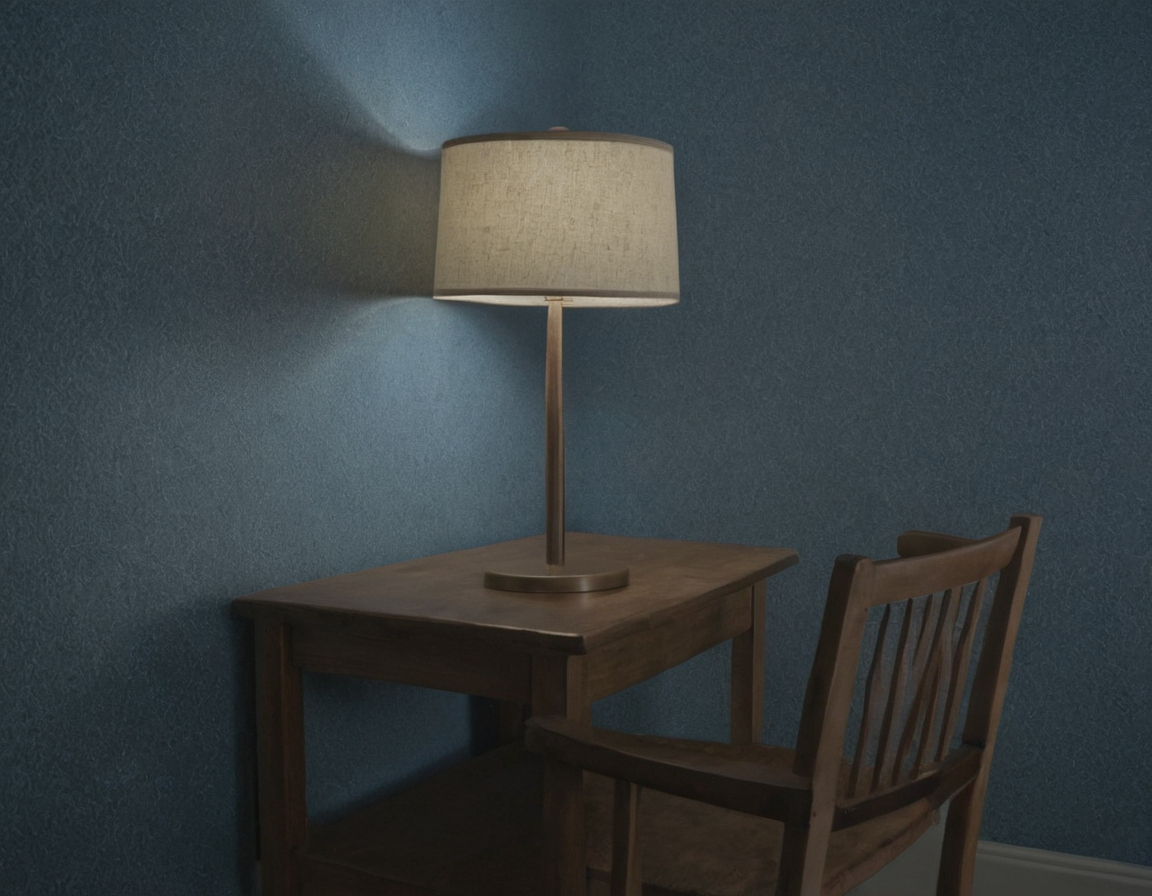
When does fade prevention cost less than replacing grey-blue wallpaper shown with practical context cues.
Wallpaper replacement cost depends on coverage, pattern repeat, and wall preparation
Calculate material from measured wall area, then check the selected product’s roll dimensions, stated usable coverage, pattern repeat, match type, trimming needs, openings, and supported waste allowance. Obtain local quotes that separate stripping, substrate repair, priming, hanging, and disposal. Confirm whether the original dye lot remains available because a visible mismatch can turn a small repair into full-wall replacement.
A room audit decides whether to monitor, control, or replace grey-blue wallpaper
- Confirm persistent color change with repeatable photographs and a protected-area comparison.
- Identify the source, measure wall-plane exposure, and review the exact wallpaper documents.
- Test the lowest-cost reversible control and remeasure under matching conditions.
- Compare installed control costs with complete replacement costs using dated quotes.
- Document readings, settings, receipts, product data, warranties, and landlord approvals.
Monitor stable wallpaper, adopt an operating change when scheduling solves the problem, buy a physical control when measured exposure persists, and replace only when permanent damage or preparation needs justify the full expense. The homeowner’s win is not buying the most elaborate protection. It is leaving the room with evidence that supports one clear decision.