Where a Floor Mirror Should Sit in a Lighting Plan: Angles, Height, and Safety
A large mirror is part of the lighting plan, not just a furnishing choice. If its reflection is not checked before purchase, it can double glare, expose cables, block movement, or create anchoring problems.
Where should floor mirrors sit in a residential lighting plan before purchase?
Floor mirrors should be placed after light sources, furniture, circulation paths, delivery access, and anchoring points are known. A mirror about 60 to 80 inches high becomes a second light surface, so include it in the home lighting design plan before ordering.
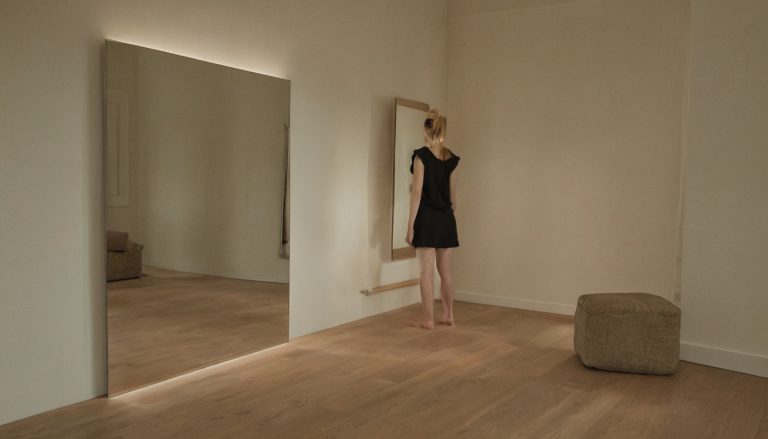
Where should floor mirrors sit in a residential lighting plan before purchase shown as an editorial planning reference.
Which rooms are suitable for floor mirrors in a lighting plan?
| Room | Best position | Check first |
|---|---|---|
| Bedroom | Near closet or dressing light | Door swing, rug edge, lamp reflection, standing distance |
| Entry | Beside the arrival route | Coat hooks, console depth, shoe storage, door impact |
| Living room | Where it catches ambient light | Television reflection, sconce glare, seating clearance, outlets |
| Hallway | Only where the walking lane stays clear | Frame projection, stair edge, child traffic, anchor points |
Human fit matters. A Health Promotion Perspectives study linked body-dimension mismatch with musculoskeletal risk in classrooms; the useful planning principle is that bodies, sightlines, and use patterns should guide placement.
Lighting efficiency also affects mirror planning. ENERGY STAR says qualified LED lighting uses at least 75 percent less energy and lasts up to 25 times longer than incandescent lighting, so bright point sources can reflect sharply in glass.
Where should floor mirrors not be placed?
Do not place floor mirrors in a door impact zone, on a loose rug, beside exposed cable runs, near a heater, at a stair edge, or against a weak wall surface. Avoid direct sun patches, bare LED points, cluttered storage views, and television backs. If new furnishings or finishes are involved, the U.S. Environmental Protection Agency identifies furnishings, building materials, paints, varnishes, waxes, and cleaners as common indoor VOC sources, so ventilation belongs in the plan.
What angle and height make floor mirrors useful without creating glare?
Floor mirrors work best when top height, lean angle, and standing distance match the user’s eye height and full-body sightline.
What is the best angle for a floor mirror?
The best angle is the shallowest stable lean that gives a full-body view without catching a ceiling fixture, exposed LED point, or bright sconce. Treat angle as a safety and glare setting, not just styling.
- Glare risk: if the mirror reflects a downlight, bare bulb, or shade opening from normal standing height, move it or reduce the lean.
- Tip risk: use the manufacturer’s anti-tip hardware, especially with children, pets, slick floors, seismic risk, or tight circulation.
- Distortion risk: a steep lean can make the reflected body read longer or shorter.
What height should a floor mirror be from the floor?
A freestanding floor mirror usually starts at the finished floor. A wall-secured mirror may be lifted to clear baseboards, but it must still show shoes and the top of the head.
How far should a person stand from a floor mirror?
Allow room to stand back, turn, and see the full outline without stepping into a bed, wardrobe door, bench, or hallway path. Before ordering, tape the mirror width on the wall and test the view from the real standing spot.
How should floor mirrors relate to windows and daylight?
Floor mirrors should usually sit beside or perpendicular to windows rather than directly opposite harsh sun.
Should floor mirrors face windows?
A floor mirror can face a window only when the reflected light is soft, filtered, or indirect. Do not rely on the simple rule of putting a mirror opposite a window; check breakfast, midday, and seated-hour glare.
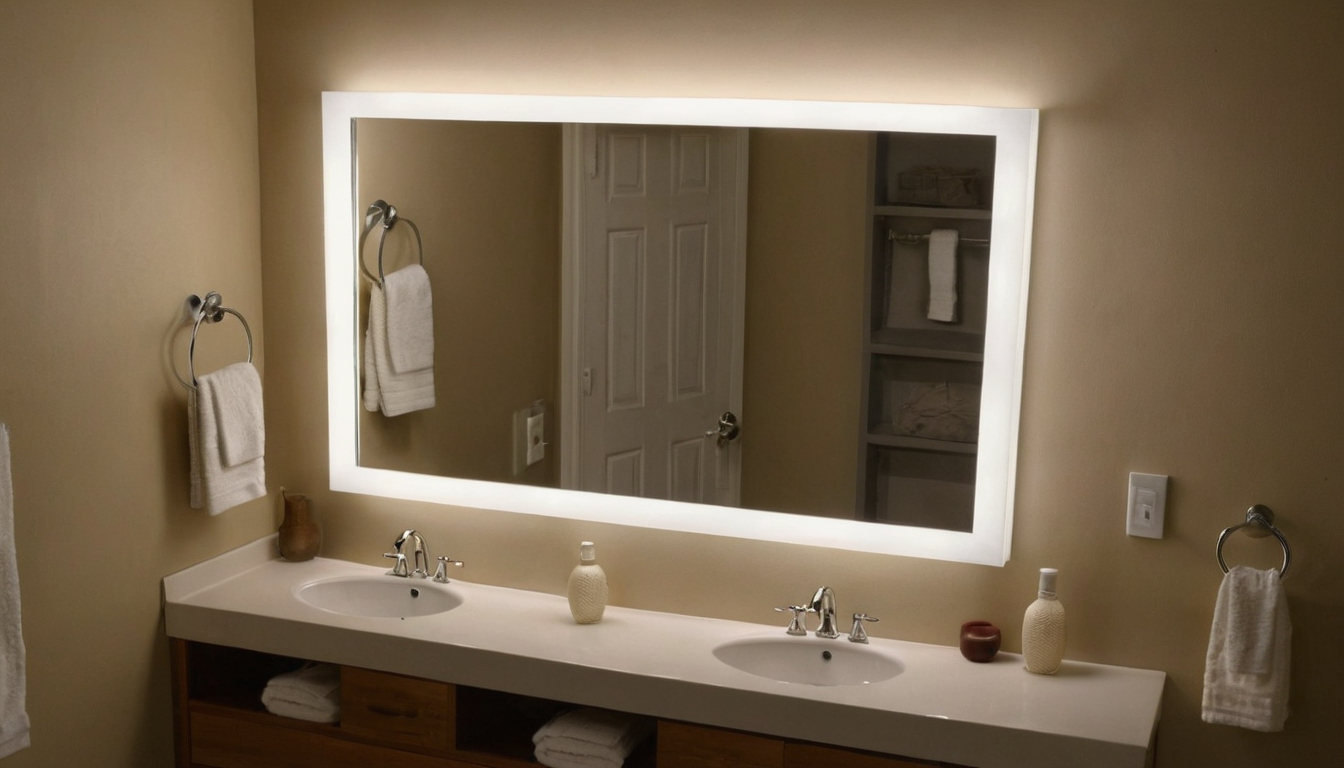
How should floor mirrors relate to windows and daylight shown as an editorial planning reference.
- Use an adjacent wall when east morning sun would flash into a bed, sofa, or desk.
- Use an oblique angle when west sun reaches seated eye height.
- Accept direct window reflection only when curtains, exterior shade, trees, or a deep reveal break the beam.
- Avoid reflection toward a television, work surface, dining chair, or glossy cabinet.
How can floor mirrors brighten a dark room safely?
A dark room benefits most when the mirror reflects a pale wall, shaded window, or lit doorway, not the sun itself. Matte paint, linen curtains, wool rugs, and honed surfaces soften brightness; polished stone, glossy tile, lacquer, and glass can bounce it again.
If natural stone affects reflection, maintain rather than scuff it; the Natural Stone Institute recommends neutral cleaners, stone soap, or mild dishwashing detergent with warm water and warns against abrasive powders or creams.
How should floor mirrors coordinate with sconces, downlights, and floor lamps?
Floor mirrors should be checked from main seated and standing positions before final lighting installation, because the common failure is reflected glare at eye level.
Can a floor mirror sit under or near a downlight?
A fixed downlight can help a dressing corner if the beam lands in front of the person, not straight onto the mirror. If the mirror catches a bright ceiling dot, shift the mirror, use an adjustable accent, or specify wall-wash lighting.
How high should lights be near a floor mirror?
Sconces near floor mirrors often work around standing eye level, roughly 60 to 66 inches to the centerline, but the user matters more than the catalog rule. Check glare from a chair if the mirror faces seating.
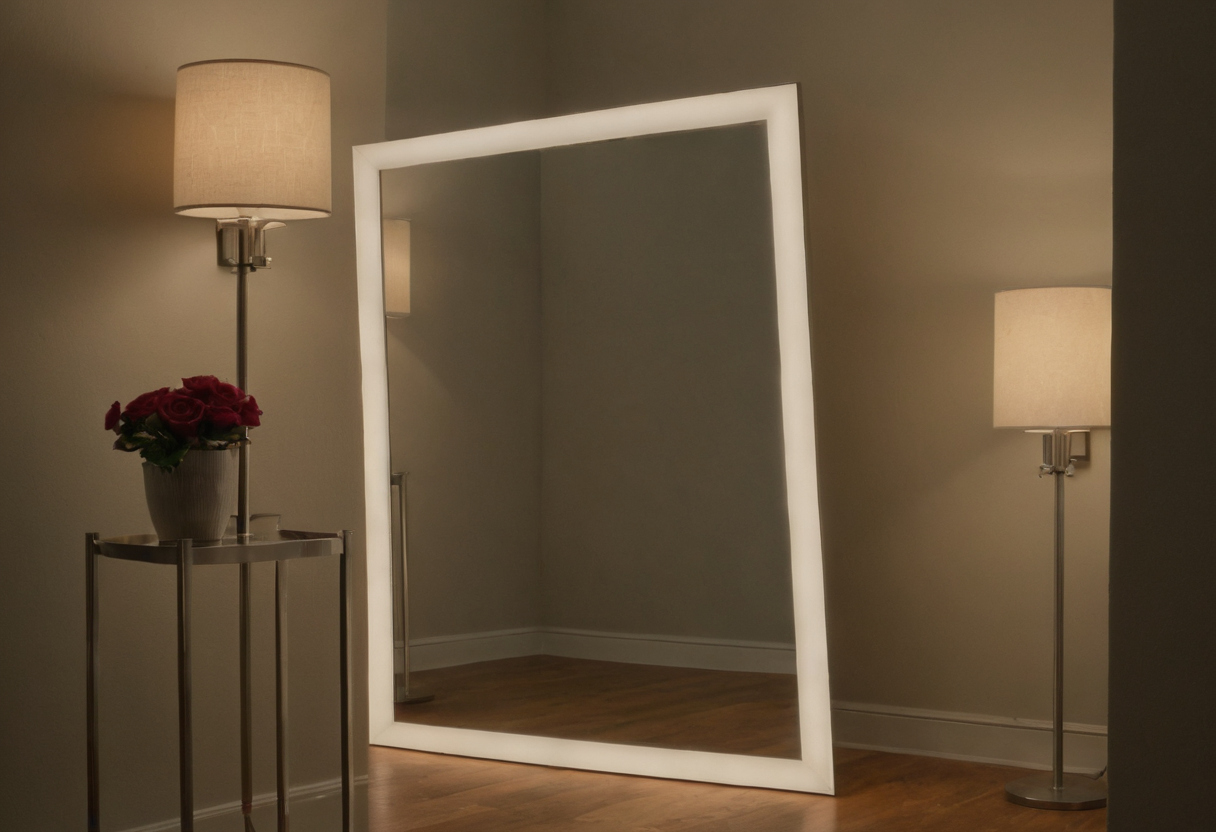
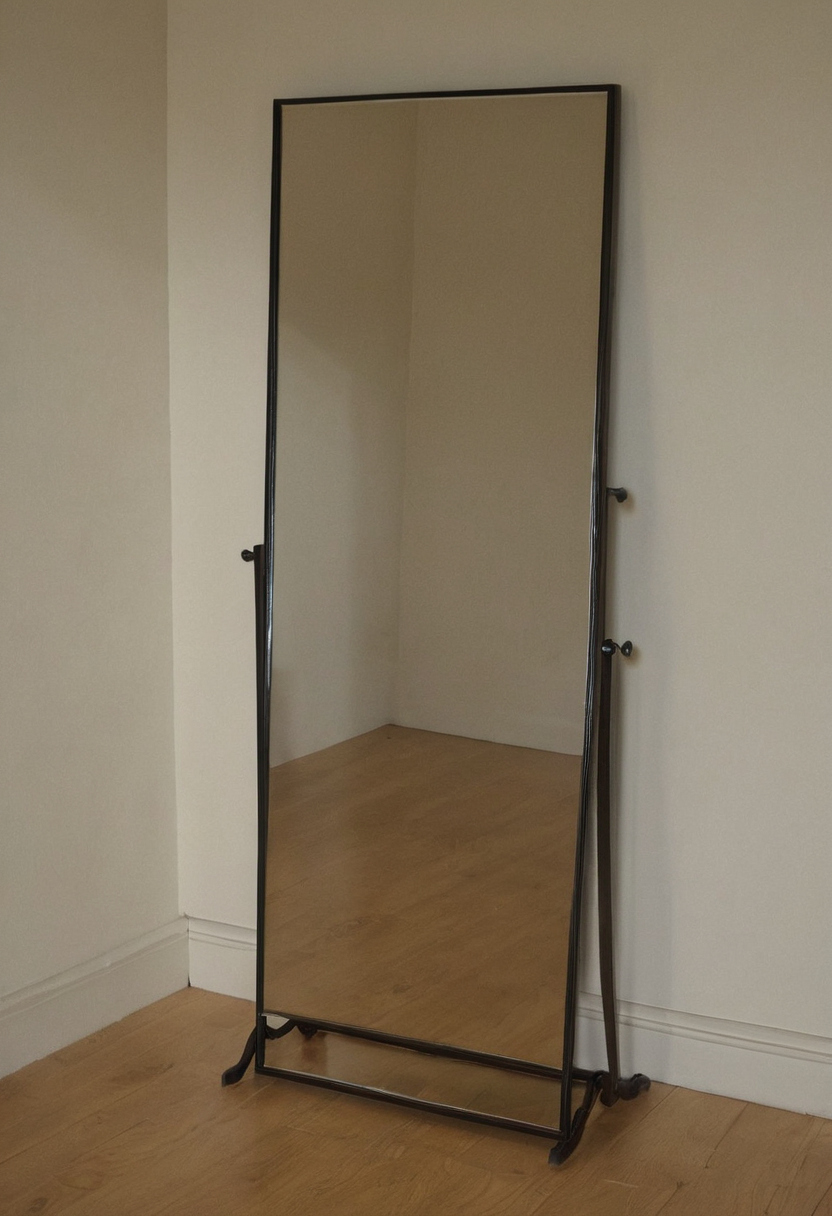
How should floor mirrors coordinate with sconces, downlights, and floor lamps shown as an editorial planning reference.
Should floor lamps be reflected in floor mirrors?
A reflected floor lamp works only when the shade hides the source. Opaque drums, fabric shades, diffused globes, and uplights usually behave better than clear glass shades, exposed filament LEDs, or high-lumen bare bulbs. In damp rooms, fix condensation or wet spots promptly, as the U.S. Environmental Protection Agency advises for moisture control.
What safety rules apply to floor mirrors in walking routes?
Floor mirrors must not reduce safe movement through the room.
Do leaning floor mirrors need to be anchored?
Leaning floor mirrors should be wall-secured when the manufacturer provides anti-tip straps, D-rings, cleats, brackets, or anchors. Large glass, polished tile, child-accessible rooms, seismic regions, and busy entries make a casual lean a poor risk. Match the fixing to the wall: studs for drywall where possible, masonry anchors for masonry, and specialist advice for plaster or paneling.
How much clearance should be left around a floor mirror?
Protect the walking line first. Keep the mirror base, frame, nearby bench, wardrobe doors, drawers, and rug edges out of the main route. For accessible planning, the 2010 ADA Standards specify a 30 by 48 inch clear floor space for wheelchair positioning, a useful reference near entries, closets, or dressing zones.
What safety rules apply to floor mirrors in walking routes shown with island travel and transport cues.
How should cables and outlets be handled near floor mirrors?
Cables near floor mirrors need a visible route, not a compromise hidden under a rug. Plug-in lamps and illuminated mirrors should land close to an outlet, with cords clipped along baseboards where allowed. A new outlet, hardwired light, wet-location fixture, or wall chasing belongs in the pre-installation plan.
What workflow should designers use before installing floor mirrors?
Floor mirrors should be specified after a short on-site mockup, not from product dimensions alone.
What should be checked before buying floor mirrors online?
Confirm total weight, frame depth, glass type, supplied hardware, mounting instructions, lead time, delivery method, return limits, and packaging size. For an oversized mirror, check the stair turn, elevator, doorway, and lift requirement before purchase.
What is the final on-site test before anchoring a floor mirror?
- Tape the full outline on the wall and floor.
- Check standing, seated, and room-entry views.
- Turn on ceiling lights, sconces, and lamps to catch glare.
- Test daylight at morning, midday, and evening.
- Confirm door swing, cable routes, rug movement, baseboard projection, floor levelness, anchor points, and delivery access.
This check belongs in the interior design plan before ordering, because a failed mockup is preventable.
FAQ
What is the best angle for a floor mirror?
The shallowest stable lean that gives a full-body view without reflecting a bright fixture, bare bulb, or downlight aperture into the user’s eyes.
Where should floor mirrors not be placed in a home?
Avoid door impact zones, stair edges, tight walking routes, direct sun patches, loose-rug areas, exposed cable paths, and walls that cannot accept restraints.
What height should a floor mirror be from the floor?
Most freestanding floor mirrors start at the finished floor. If raised to clear a baseboard, it must still show shoes and the top of the head.
How high should lights be near a floor mirror?
Sconces often work around 60 to 66 inches to the centerline, but user height, seated views, fixture shielding, and reflected glare decide.
Do leaning floor mirrors need to be anchored?
Yes, when hardware is supplied, children or pets use the room, or the mirror sits in a busy route.